 bukharifaran
Making things from wood at home is very popular now. Many people like to create their own tables, shelves, or small toys. This fun activity has been around for a long time. It is not just play—it helps your life in good ways.
First, it is healthy for you. Working with wood lowers stress and relaxes your mind. It feels good, like a short holiday from work or school. In busy places like India and Pakistan, this can be a calm time for yourself. You also save money. Why buy expensive furniture when you can make it cheaply? It wakes up your ideas, too. You can build special items that fit your home style.
Tip 1: Always Make Straight Corners

A hard part for new woodworkers is getting flat ends on wood. If corners are not even, your shelf or chair looks bad and shakes. But there is a simple fix.
Buy good wood from the shop. Use a square tool to check if ends are at 90 degrees, like a right angle. Put it on the wood and mark wrong spots. Cut off extra with a saw till it is flat. Do this first—it saves time later. Your parts will fit well, and things will stand firm. Try on old wood pieces to learn.
Tip 2: Shine Wood with Coconut Oil

Ending your wood project makes it bright and strong. Some use store oils, but coconut oil is easy and from nature. It is cheap and always in Indian or Pakistani kitchens. It gives a soft light, not too shiny.
Put it on with a clean cloth. Rub soft on smooth wood. Wait a few minutes to soak, then clean extra. Do thin layers, one each day. Coconut oil covers small cuts and keeps wood wet, so no breaks in dry weather. It smells like fresh coconut. Use on tables, chairs, or boxes—they look new and feel nice.
Tip 3: Smooth Wood Before Joining
Smoothing wood with sandpaper fixes rough parts and gets it ready for color or oil. But if you do it after putting pieces together, it is tough. You can hurt other spots or miss places.
Sand each wood part by itself first. Start with rough paper to take off bumps, then soft paper for a very smooth feel. Rub along the wood lines, not against. This lets you see all and get a clean look. It takes more time at the start, but makes the whole job faster. Your family will like how soft it is.
Tip 4: Try Easy Step Joints

Joints keep wood pieces tight. Step joints, called rabbets, are basic and good for shelves or boxes. They are not hard, but hold well for neat joins.
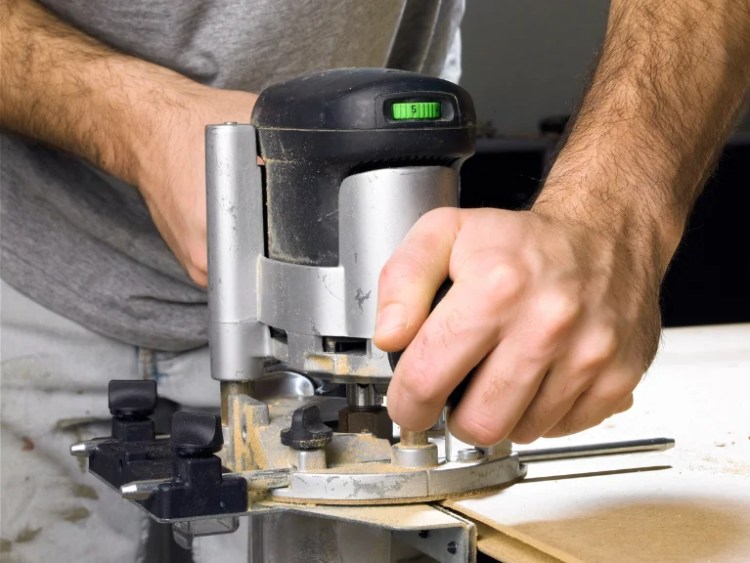
A rabbet is a small cut like a step on the wood end or side. The other wood fits in like a game piece. Use a saw or cutter to make a line half deep as wood. Then, stick with glue and small nails. This hides the join, so it looks one big piece. Try on easy wood like pine first. It is better than flat joins and fine for new builders of cupboards or frames.
Tip 5: Clean Glue Without Mess

Glue makes wood stick strong, but extra glue is dirty. Wet glue on wood swells it if you clean with wet cloth, leaving bad spots.
When glue comes out, put saw dust on it fast. Dust drinks the wet glue like a cloth. Spread soft with brush, then wipe dry. For bits left, wait to dry and sand light. This keeps work clean, no harm. Keep sawdust near from your cuts—it is free and works well.
Last Words
These simple tips turn hardwood into easy fun. As a new person, use them to learn one by one. Make a small work spot at home with few tools. Stay safe—use eye covers and hand guards. Soon, you build things that warm your home and cut costs.
Think, good work comes from trying and smiling. Show your first make to friends—they will say wow! If you like, do more like a wood stand or kid toy. Enjoy making.


